
One of the primary benefits of a deep place facelift is ts effects on the cheeks to correct sagging or tissue descent. But some patients have naturally flkatter cheeks that hav always lack projection…which is a major reason why some patients develop more cheek soft tissuer sagging than others.
Overview
Custom cheek implants and a deep plane facelift are a highly complementary combination because both procedures primarily affect the midface.
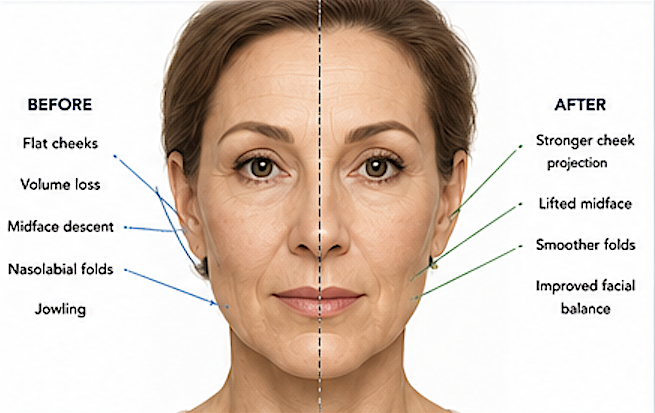
- Custom Cheek Implants restore or enhance skeletal projection of the cheekbones.
- Deep Plane Facelift repositions descended cheek fat and soft tissues.
Together they rebuild the youthful relationship between the facial skeleton and overlying soft tissues.
1. Custom Cheek Implants – Structural Enhancement
Purpose
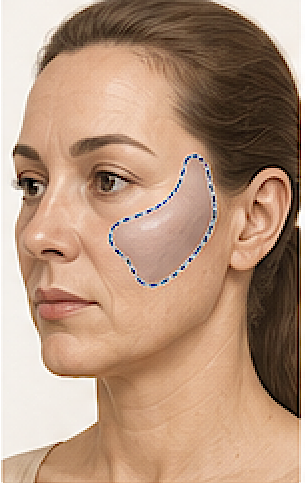
Patient-specific implants designed from a CT scan to augment:
- Malar eminence (cheek prominence)
- Zygomatic arch
- Infraorbital rim
- Anterolateral midface
Benefits
- Increases cheek projection
- Restores midface volume
- Improves facial width and balance
- Creates stronger support for overlying soft tissues
- Enhances facial contours without fillers
Ideal For
Patients with:
- Flat cheekbones
- Congenital midface deficiency
- Age-related skeletal volume loss
- Hollow midface appearance
- Poor cheek projection
2. Deep Plane Facelift – Midface Repositioning
Purpose
Mobilizes and elevates the deeper facial soft tissues below the SMAS layer.
Benefits
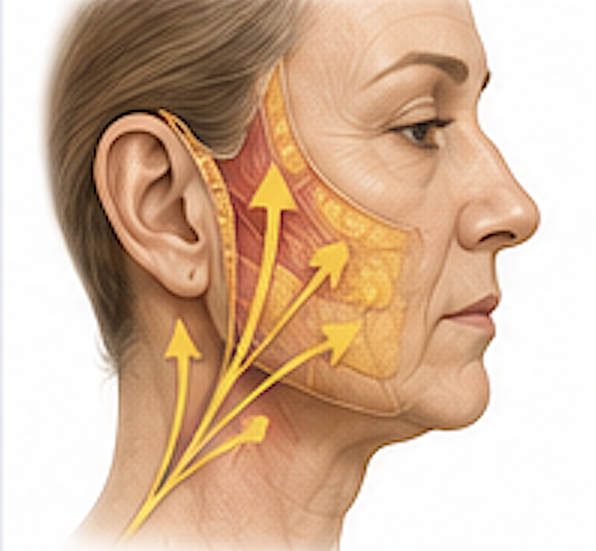
- Repositions descended malar fat pads
- Improves nasolabial folds
- Corrects jowls
- Restores youthful cheek position
- Produces natural facial rejuvenation
Ideal For
Patients with:
- Midface descent
- Nasolabial folds
- Jowling
- Facial laxity
- Loss of youthful cheek contour
Why Combine Them?
Cheek Implants Address:
- Skeletal projection
- Midface support
- Cheekbone definition
- Facial balance
Deep Plane Facelift Addresses:
- Descended cheek fat
- Soft tissue laxity
- Nasolabial folds
- Jowls
Combined Effect
The implants create a stronger cheekbone foundation while the facelift repositions the cheek tissues back over that foundation.
Structure + Position = Complete Midface Rejuvenation
Typical Surgical Sequence
Step 1 – Implant Placement
Custom cheek implants are inserted through:
- Intraoral incisions
- Lower eyelid incisions (selected cases)
- Hidden transconjunctival approaches
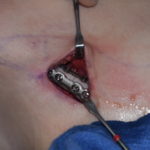
The implants are rigidly secured with titanium fixation screws.
Step 2 – Deep Plane Dissection
The deep plane facelift dissection releases retaining ligaments and mobilizes the facial soft tissues.
Step 3 – Midface Elevation
The cheek fat pads are elevated superiorly and laterally.
Step 4 – Tissue Redraping
The repositioned tissues are redraped smoothly over the newly enhanced cheek framework.
Step 5 – Closure
Incisions are closed and the facial contours refined.
Advantages of the Combination
Better Cheek Projection
The implant restores skeletal prominence while the facelift restores soft tissue position.
Improved Nasolabial Folds
One of the most effective combinations for improving deep nasolabial folds because:
- The implant pushes outward.
- The facelift lifts upward.
More Youthful Midface
Creates fuller upper cheeks without an overfilled appearance.
Enhanced Lower Face Results
Improved midface support often translates into better jawline and jowl correction.
Longer-Lasting Outcomes
The facelift tissues are supported by a stronger skeletal framework.
Considerations
Implant Design Matters
Large cheek implants can create excessive lateral width or prominence if not carefully designed.
Swelling
Midface swelling is typically greater than facelift surgery alone and may persist for several months.
Infraorbital Anatomy
Careful implant design must avoid excessive pressure on the infraorbital nerve.
Recovery
Most patients require:
- 2–4 weeks for social recovery
- 3–6 months for substantial swelling resolution
- Up to 1 year for final refinement
Best Candidates
Excellent Candidates
- Flat cheekbones with facial aging
- Midface deficiency and descent
- Deep nasolabial folds
- Hollow cheeks
- Congenital lack of cheek projection
Particularly Powerful In:
Patients who appear “deflated” rather than simply “sagging.”
In these individuals, a facelift alone may reposition tissues but cannot replace missing skeletal support.
Key Concept
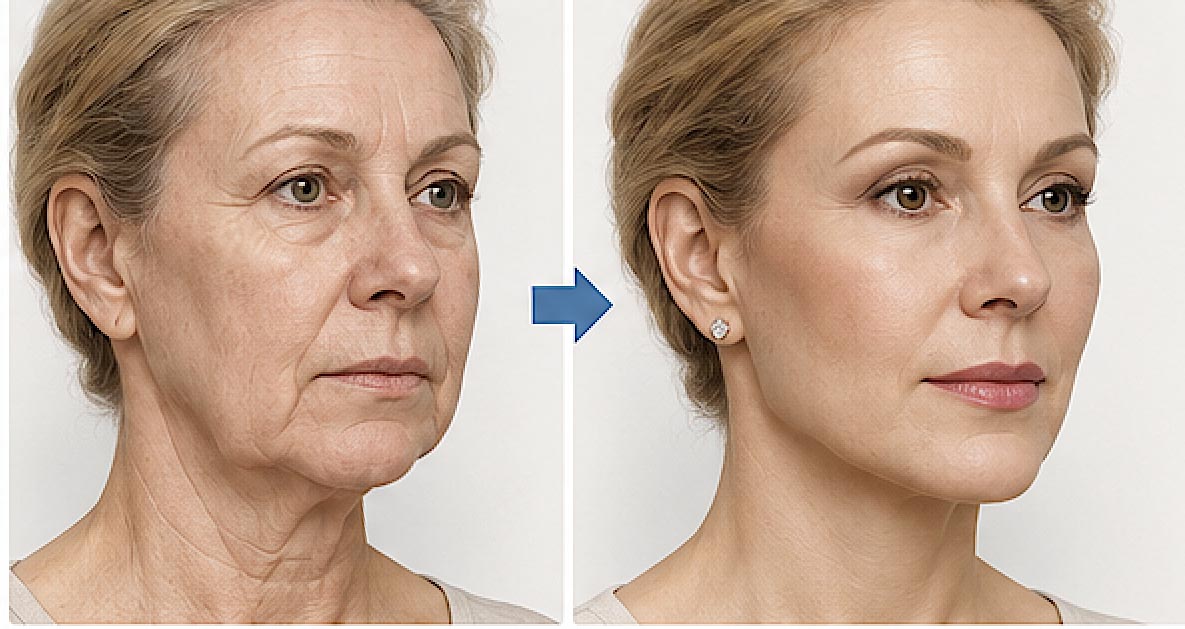
A deep plane facelift lifts the cheeks back where they belong. A custom cheek implant provides the underlying projection that may have never existed—or has become increasingly deficient with age.
The combination can create a fuller, higher, more youthful midface while maintaining a natural appearance and avoiding the overfilled look associated with excessive fat grafting or fillers.
Dr. Barry Eppley
Plastic Surgeon