
Why Rib Removal Produces More Permanent and Predictable Narrowing
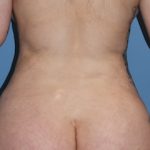
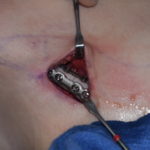
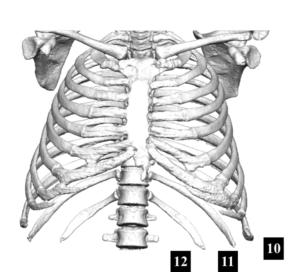
Rib removal (typically portions of ribs 10, 11, and/or 12) physically eliminates part of the rib cage framework.
Advantages:
- Permanent reduction in rib cage width.
- No dependence on bone healing in a new position.
- Greater potential waist reduction.
- Less risk of the ribs gradually returning toward their original position.
- Particularly effective in patients with naturally wide lower rib cages or longer rib lengths..
Limitations of Rib Fracture/Rib Remodeling
Rib fracture procedures involve:
- Osteotomies (controlled cuts) in the lower ribs.
- Repositioning the ribs inward.
- Corset compression during healing.
Potential disadvantages:
- Relies on bone healing in the new position.
- Some relapse can occur over time.
- Degree of narrowing is limited by rib flexibility.
- Results are more variable between patients.
Biomechanical Difference

Think of it this way:
- Rib removal: removes part of the structural frame.
- Rib fracture: bends and repositions the existing frame.
Removing a section of rib changes the anatomy permanently, while fracturing depends on maintaining a new shape during healing. The bone cuts (osteotomies) and bone removals (ostectomies) are done at the same level along the rib…but the aesthetic effects can be different
Aesthetic Considerations
For patients seeking:
- Maximum waist narrowing
- Dramatic torso feminization
- Significant reduction of lower rib flare
Rib removal generally produces the greatest change.
For patients wanting:
- Smaller scars
- Preservation of all ribs
- More modest contour improvement
Rib remodeling/fracture may be sufficient.
My Perspective
From a skeletal contouring standpoint, rib removal is usually the more powerful operation because it directly reduces the bony framework rather than attempting to reposition it. The tradeoff is that it is a more invasive procedure and requires careful patient selection to avoid contour irregularities or excessive soft-tissue collapse. The associated scar must also be considered in the choice of this aesthetic operation.
The ideal choice depends on:
- Which ribs are contributing to the width (floating ribs vs. false ribs)
- Waist circumference goals
- Soft tissue thickness
- Presence of rib flare
- Whether the patient desires a subtle or maximal change
In conclusion rib removal and rib fracture procedures are not antagonistic procedures question is not which one ie better than the other. They are different surgical techniques to achieve waistline narrowing and the choice between either one is very patient specific.
Dr. Barry Eppley
Plastic Surgeon