

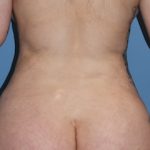
Can shoulder narrowing and rib removal body contouring surgeries be done at the same time…and what would the recovery be like?
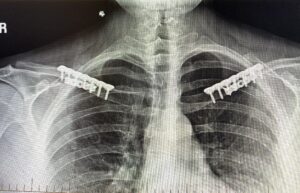
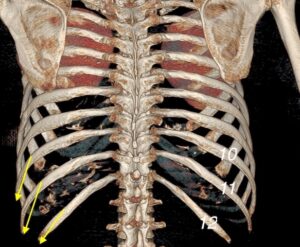
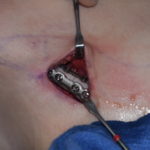
Yes, shoulder reduction (clavicle shortening) surgery and rib removal/waist narrowing surgery can technically be performed during the same operation, but it is generally considered a demanding combination with a more difficult recovery than either procedure alone.
Key considerations:
- Longer surgery time and greater overall surgical stress.
- More challenging recovery, since both the upper body (shoulders) and torso/chest wall are healing simultaneously.
- Limited mobility and comfort during the first few weeks because movements that use the arms, shoulders, and trunk can be uncomfortable.
- Most surgeons would reserve the combined procedure for healthy, carefully selected patients who have good postoperative support available.
Some surgeons routinely stage these procedures separately because recovery is easier, while others will combine them when travel, cost, or overall treatment goals make a single operation advantageous. There are published examples of patients undergoing clavicle reduction and lower rib removal during the same anesthetic session with good outcomes.
Since you’re asking about a very specific combination of body-contouring procedures, the most important factors are:
- Your age and overall health
- Whether you’re having other procedures at the same time
- Your surgeon’s experience with both operations
- Your ability to have assistance during the recovery period
Recovery
If you’re considering this combination for yourself, Here is an outline of what the recovery timeline is typically like when both procedures are done together.
When shoulder reduction (clavicle shortening) and rib removal are done together, the recovery is largely dictated by the rib surgery because torso movement affects almost everything you do.
First Week
Days 1–3
- Significant soreness across the lower chest/waist from the rib removal.
- Shoulder discomfort and tightness, especially when reaching or lifting the arms.
- Difficulty getting in and out of bed without assistance.
- Walking is encouraged, but movements are slow and deliberate.
- Pain medication is usually required.
Days 4–7
- Rib discomfort remains the dominant issue.
- Shoulder pain begins to improve, but arm motion is still restricted.
- Most patients can perform basic self-care but appreciate help with household tasks.
Weeks 2–3
- Most swelling and bruising are improving.
- Walking normally becomes easier.
- Light daily activities can usually be resumed.
- Shoulder range of motion gradually increases.
- Lifting restrictions remain in place.
- Sleeping is generally much more comfortable.
Weeks 4–6
- Most patients are off prescription pain medications.
- Return to desk work is typically possible if not already done.
- Waist compression garments may still be used.
- Light exercise can often begin.
- Rib discomfort is present mainly with twisting, bending, or strenuous activity.
Weeks 6–12
- Most normal activities can be resumed.
- Shoulder healing is usually well advanced.
- Exercise intensity can gradually increase.
- Residual swelling of both the shoulders and waist continues to improve.
3–6 Months
- Final shoulder contour becomes increasingly apparent.
- Waist narrowing becomes more visible as swelling resolves.
- Most healing discomfort is gone.
- Bone healing in both the clavicles and ribs continues to mature.
The Main Challenge of Combining Them
The difficult part is that:
- Rib surgery makes twisting, bending, and using your core uncomfortable.
- Shoulder surgery makes pushing, pulling, lifting, and reaching uncomfortable.
When both are done together, there is no completely “comfortable” way to move the upper body for the first couple of weeks. This is why having assistance at home during the first 5–7 days is particularly helpful.
For a healthy patient undergoing both procedures together, I generally tell patients to expect:
- 2 weeks before feeling reasonably functional.
- 4–6 weeks before feeling mostly normal.
- 3 months before resuming nearly all activities without thinking about the surgery.
- 4 – 5 months forthe aesthetic result to be evident (rib removal)
Dr Barry Eppley
Plastic Surgeon